Laliyah: An Arabic-Style Display Font for Bold Brand Identity
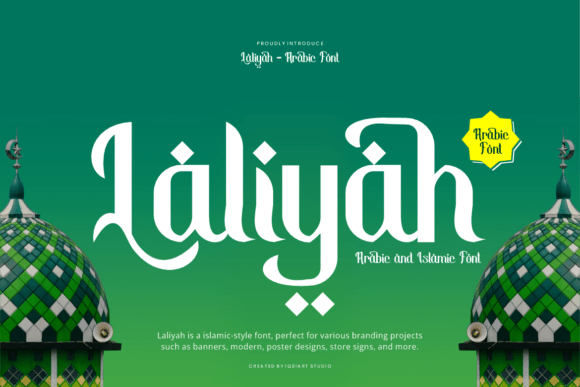
I opened a blank brand board last Tuesday with a specific goal: to refresh the visual identity for a small, artisanal tea shop. The client wanted something that felt authentic and rooted in tradition but needed to speak clearly to a modern audience. After flipping through dozens of standard serif and sans serif fonts, I landed on Laliyah. It is an Arabic-style display font that immediately caught my eye, not just for its aesthetic appeal, but for how naturally it seemed to fit into a real-world branding project.
My first instinct was to test it on a logo concept. Usually, when I introduce a new typeface into a design system, there is a period of adjustment where I have to fight the letters to make them behave. With Laliyah, that friction was nonexistent. The curves flow with an organic rhythm that feels hand-crafted yet perfectly balanced. When I placed it over a simple geometric emblem for the tea shop, the font didn't overpower the graphic; instead, it elevated the entire composition. It has a personality that is warm, inviting, and distinctly elegant without feeling stuffy or overly decorative.
From Logo Drafts to Packaging Mockups
Once the logo direction felt right, I moved quickly to testing Laliyah across other critical assets. One of the most telling moments for any display font is seeing it applied to packaging. I created a mockup for the tea boxes, placing the font on the front label and the side panels. The legibility at larger sizes was impressive. The character shapes are distinct enough that even the more intricate details remained clear against the textured background of the paper stock.
I also experimented with business cards and social media graphics. On a digital Instagram post, Laliyah served as a powerful headline font that stopped the scroll. Its unique strokes create a strong visual hierarchy, drawing the eye immediately to the key message. However, I noticed that it works best as a short phrase font or an accent font rather than a body text solution. Trying to set long paragraphs in Laliyah would likely confuse the reader and dilute the brand's professional tone. It is designed to be seen, not read in bulk.
The versatility of this creative font extends beyond print. I tested it on a website header for a potential e-commerce landing page. In the hero section, it provided a bold statement that anchored the layout. The way the letters interacted with negative space gave the site a premium feel. This suggests that Laliyah is an excellent choice for web design projects where you need to establish a strong mood instantly. Whether for a boutique identity, a bakery packaging line, or a creative studio portfolio, the font adds a layer of sophistication that generic typefaces often lack.
Pairing Laliyah for Balanced Design
A common question I get from fellow designers is how to pair a distinctive display font like Laliyah. The secret lies in contrast. Because Laliyah carries so much visual weight and stylistic flair, it pairs beautifully with clean, understated typefaces. I found that combining it with a simple sans serif font worked wonders for secondary information like addresses, contact details, and legal disclaimers. The sans serif provides a neutral backdrop that lets Laliyah shine without creating visual chaos.
For editorial design or longer-form content within a brand book, a classic serif font can also complement Laliyah nicely. The juxtaposition of the traditional, calligraphic feel of Laliyah against the structured elegance of a serif creates a timeless look. If you are working on a project that leans heavily into handwritten aesthetics, a subtle script font might clash if both are too ornate. In those cases, sticking to a minimalist sans serif ensures the brand remains cohesive. The key is to let Laliyah take center stage while the supporting typography does the heavy lifting of communication.
Real-World Performance and Limitations
While Laliyah excels in many contexts, it is important to acknowledge where it might not fit. For instance, if you are designing a formal corporate identity for a law firm or a medical institution, this font might feel too artistic or informal. Similarly, for mobile app interfaces where screen real estate is limited, the intricate details of Laliyah could become illegible at very small sizes. It is not a utility font; it is a statement font.
I also tested the font on a shop sign mockup. The thick strokes held up well, but the spacing required careful attention. Unlike some standard fonts, display fonts often need manual kerning adjustments to look truly professional, especially when letters connect in complex ways. Taking the time to fine-tune the spacing made a significant difference in the final presentation. This attention to detail is what separates a good design from a great one.
When reviewing the included styles, I appreciated the range of weights available. Having multiple options allows for better visual hierarchy within a single piece of collateral. While the primary description highlights its use in logos and Arabic designs, the adaptability of the characters makes it suitable for a wide range of commercial design assets. From posters and flyers to product labels and brand boards, Laliyah stands out beautifully in a wide range of contexts.
Practical Steps Before You Commit
If you are considering adding Laliyah to your toolkit, my advice is to test it thoroughly before presenting it to a client. Create a mini-brand board that includes a logo, a business card, and a social media post. See how it behaves in different environments. Check the file formats to ensure they meet your workflow needs, and verify if webfont versions are available if you plan to use it online. Most importantly, always review the commercial font licensing agreement. Using a premium font in client work, merchandise, or templates requires the correct license to avoid legal issues later.
In conclusion, Laliyah is more than just another decorative typeface. It is a versatile tool that brings character and authenticity to branding projects. Whether you are a freelancer looking to elevate a local restaurant logo or a designer refreshing a skincare brand, this font offers the perfect blend of style and functionality. It proves that a well-chosen display font can transform a simple concept into a memorable brand identity.